Statistics in the Real World
Statistics are everywhere. From the weather forecast you check each morning to the medical research that shapes public health policy, numbers and data quietly influence almost every decision we make. Yet for many people, statistics feel abstract — something reserved for scientists and economists, not everyday life. Understanding how statistics work, and how to read them critically, is one of the most practical skills you can develop.
How statistics shape the decisions around us
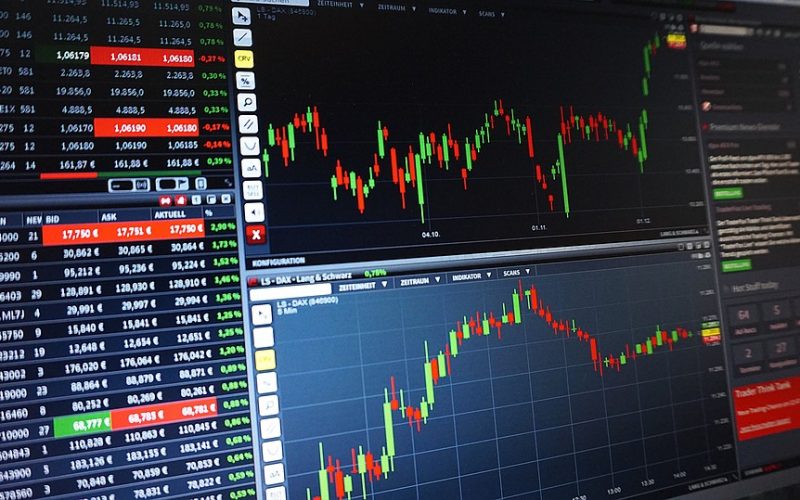
Governments use statistics to allocate funding for schools, hospitals, and infrastructure. Businesses rely on them to forecast demand, set prices, and manage risk. Even sports teams now use advanced data analysis to determine which players to recruit and which tactics to employ on the field. The reach of statistics extends far beyond the classroom — it touches nearly every sector of modern life.
Reading statistics with a critical eye
Not all statistics are created equal. A headline claiming that "eating chocolate reduces the risk of heart disease by 30%" sounds compelling, but the details matter enormously. Was the study conducted on a large, representative sample? Were other lifestyle factors accounted for? Who funded the research? These questions help separate meaningful findings from misleading ones. Developing the habit of asking them is what distinguishes an informed reader from a passive one.
The danger of context-free numbers
One of the most common ways statistics mislead is through a lack of context. A city reporting a 50% rise in bicycle thefts sounds alarming — until you learn that only two bikes were stolen the previous year. Percentages, in particular, can be deceptive without an understanding of the base figures involved. Raw numbers can be just as misleading when presented without comparison points or timeframes.
Probability and everyday risk
Probability is one of the most misunderstood areas of statistics, yet it governs how we assess risk in daily life. People consistently overestimate the likelihood of dramatic events — plane crashes, lottery wins, rare diseases — while underestimating more mundane but statistically significant risks. Understanding basic probability helps calibrate these judgements and leads to more rational decision-making, whether you're assessing a financial investment or choosing whether to take an umbrella.
Statistics in public health and policy
The COVID-19 pandemic brought statistical literacy into sharp focus. Concepts like infection rates, false positives, and population immunity moved from academic journals into daily conversation. Those with a stronger grasp of statistics were better equipped to interpret the data, evaluate government responses, and make informed personal decisions. It became clear that statistical understanding is not a niche skill — it is a civic one.
Building a more data-literate society
Improving statistical literacy does not require a mathematics degree. It starts with curiosity — questioning sources, considering sample sizes, and looking beyond headline figures. Schools are increasingly recognising this, with data literacy now embedded in many curricula around the world. For adults, a wealth of accessible resources exists, from online courses to books that make statistics genuinely engaging. The more people understand the numbers that shape their world, the better equipped they are to navigate it.